
Equipment restoration
Trial results
XADO technology restores friction units while the equipment stays in service. Assess the scope for fuel and electricity savings and for lower operating costs against trial results obtained on transport fleets and at industrial plants. Trial database: 348 test reports and 239 cases from 18 countries; each case comes with a scan of the original document.
Restoration of diesel and petrol engines with XADO revitalizants. Fuel consumption and compression before and after treatment are recorded in the test reports.
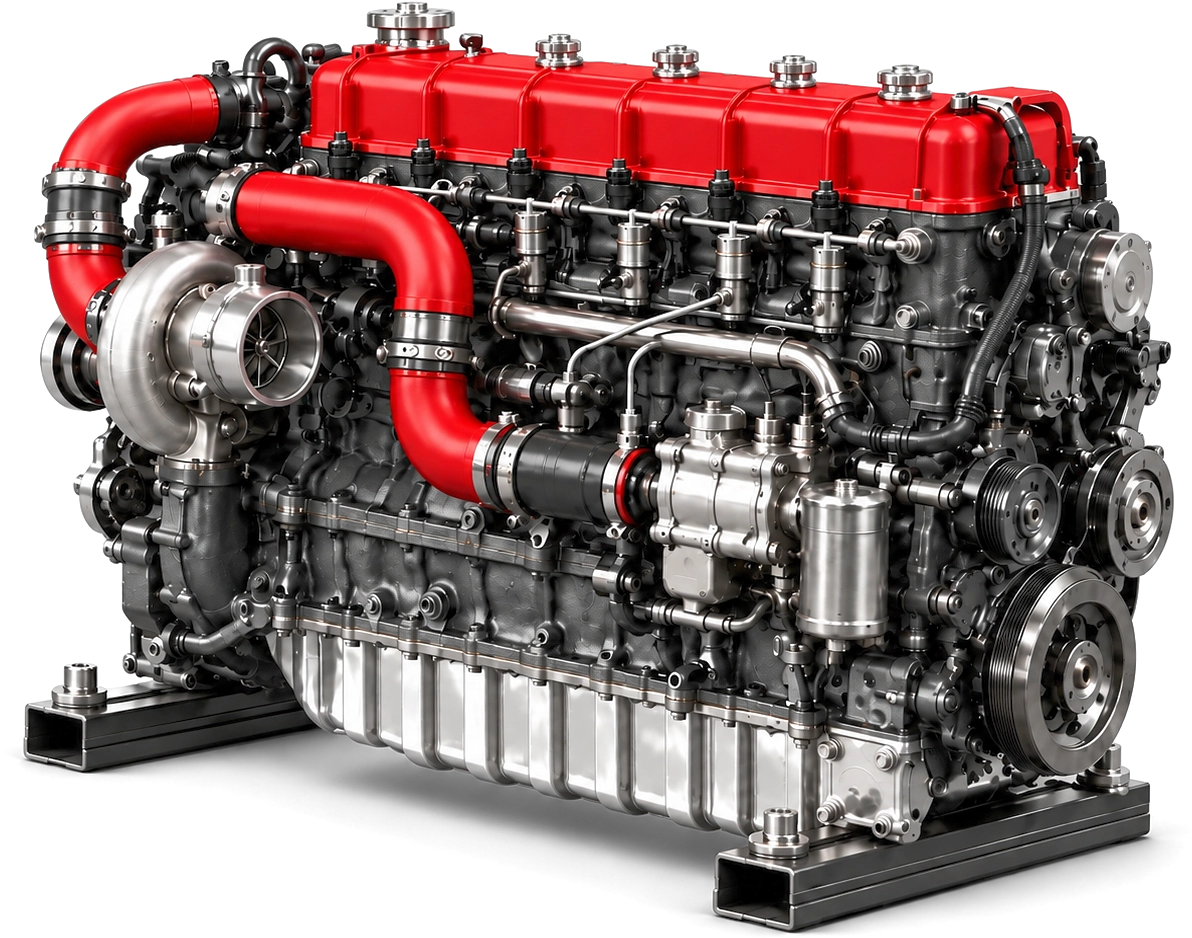
The treatment result depends on the initial degree of wear.
Equipment in the trial database All 17 categories
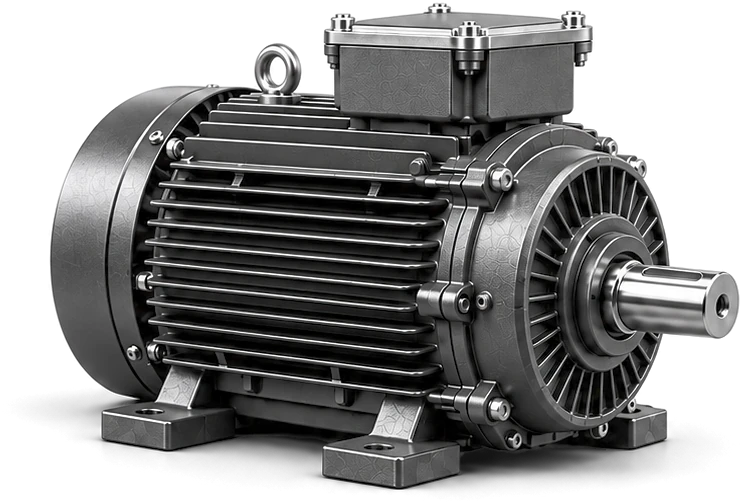
Petrol engine33 casesHydraulic system7 casesInternal combustion engine3 casesDiesel engine52 casesGear drive46 casesDriveshaft3 casesCompressor65 casesGearbox14 casesSlideways2 casesPump16 casesFriction pair9 casesBearings74 casesReduction gearbox55 casesTurbocompressor6 casesCylinder-piston group84 casesJoints & linkages5 casesElectric motor46 cases
Equipment problems
Increased fuel and electricity consumption, vibration, loss of compression. Select a problem to compare the measurements before and after treatment and to open the test reports.
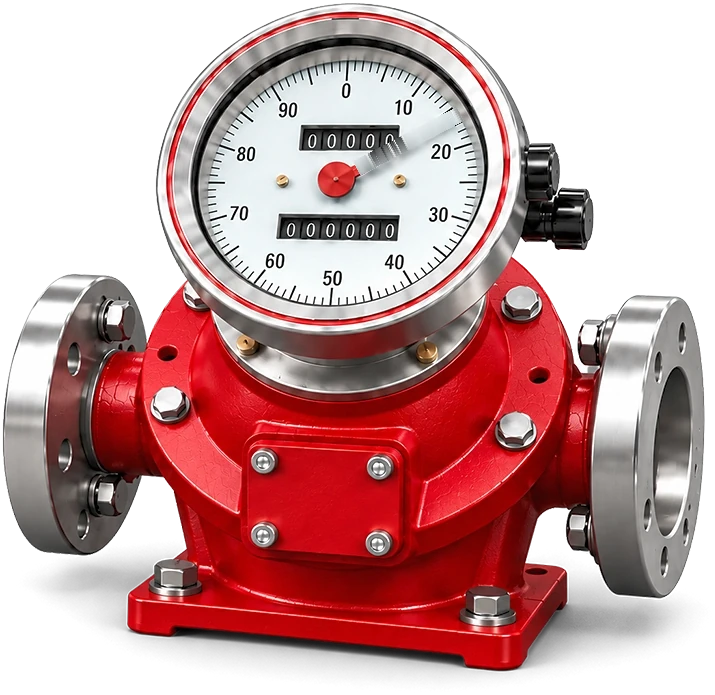
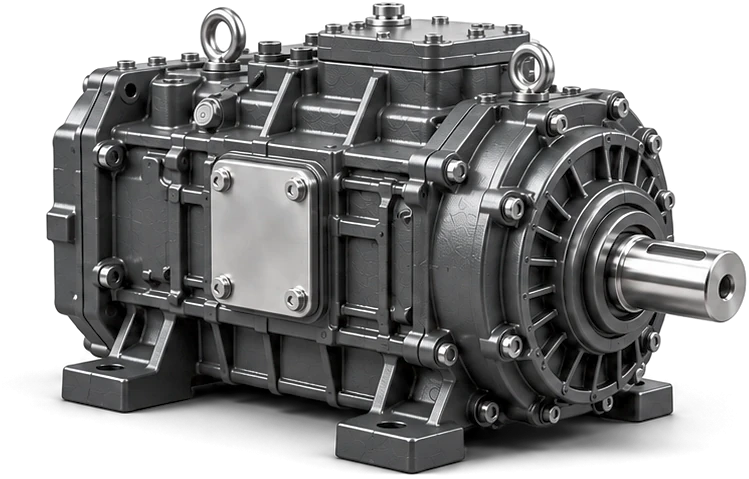
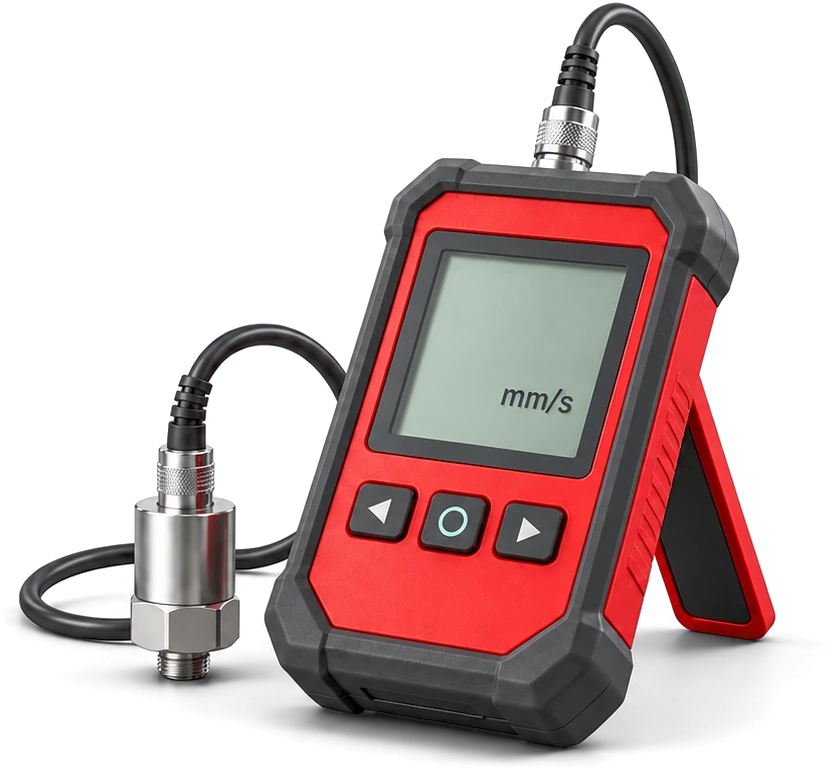
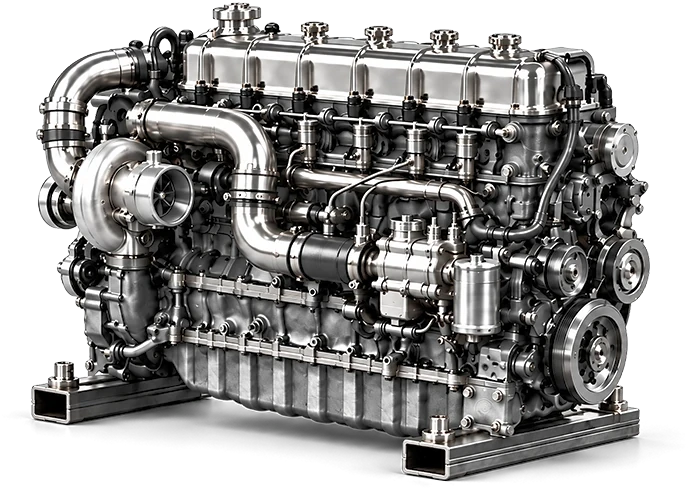
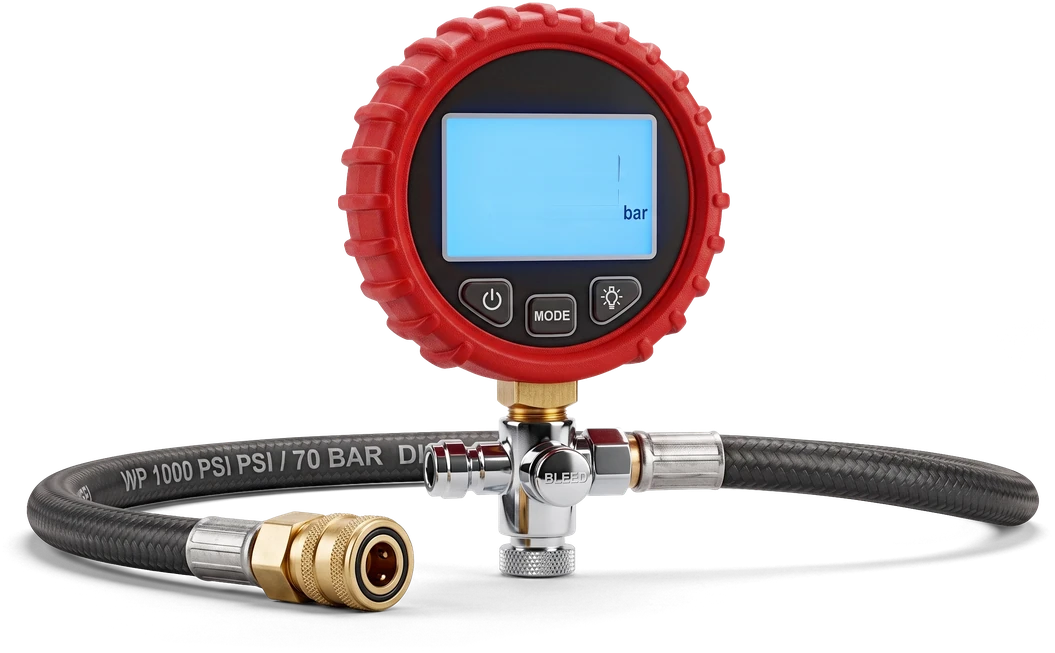
Pilot trial programme
at your plant
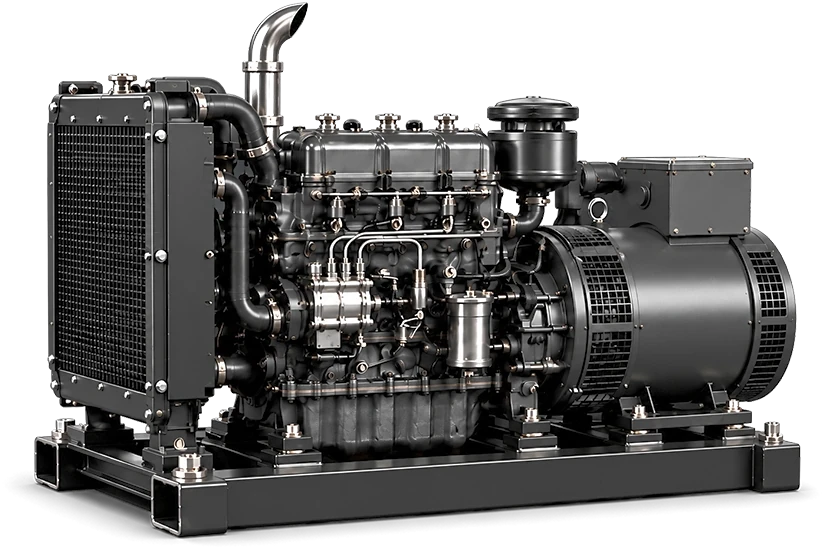
Verify the effect of XADO technology on your own equipment before applying it across the fleet. XADO supplies the compounds, the treatment method and an engineer for the measurements.
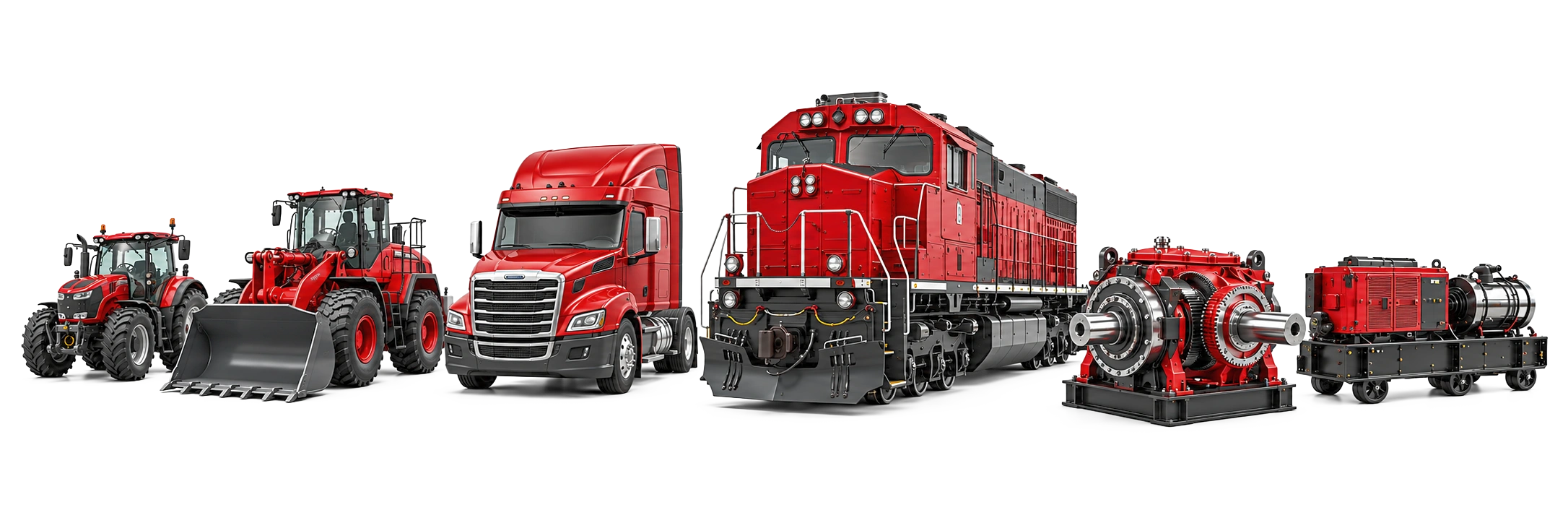
From consultation to result
Start with a consultation on your equipment. XADO helps to prepare and carry out the pilot treatment, following the unit's procedure from instruction IE-24.6-25612000-005-2008, with specialist support.
- 1

Consultation
We discuss your machinery, equipment and components. We determine whether the unit is admitted for treatment and the list of measurements.
- 2
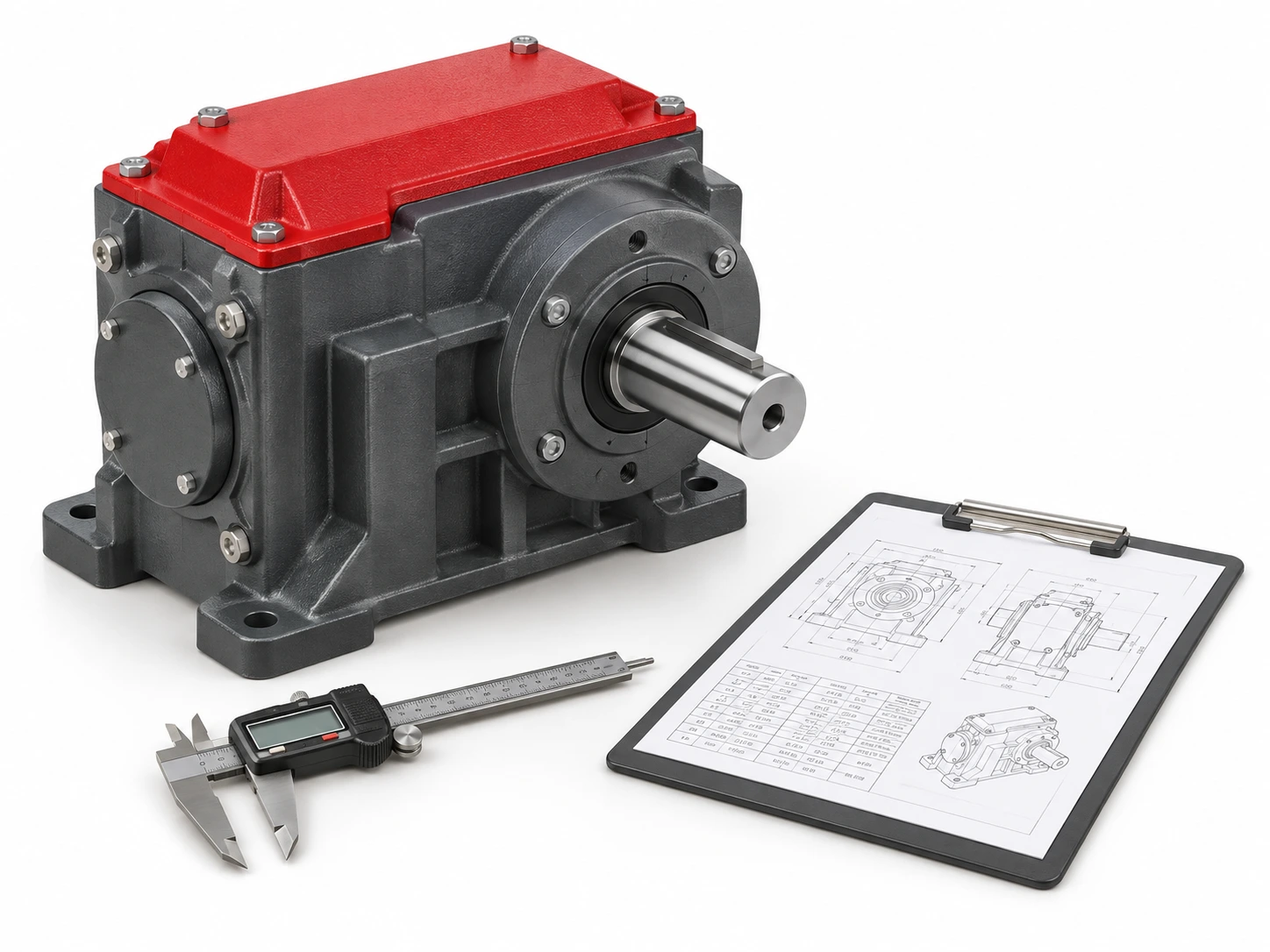
Trial preparation
We help to select the unit for the pilot treatment. We agree the parameters to be measured under the unit's procedure from instruction IE-24.6-25612000-005-2008.
- 3
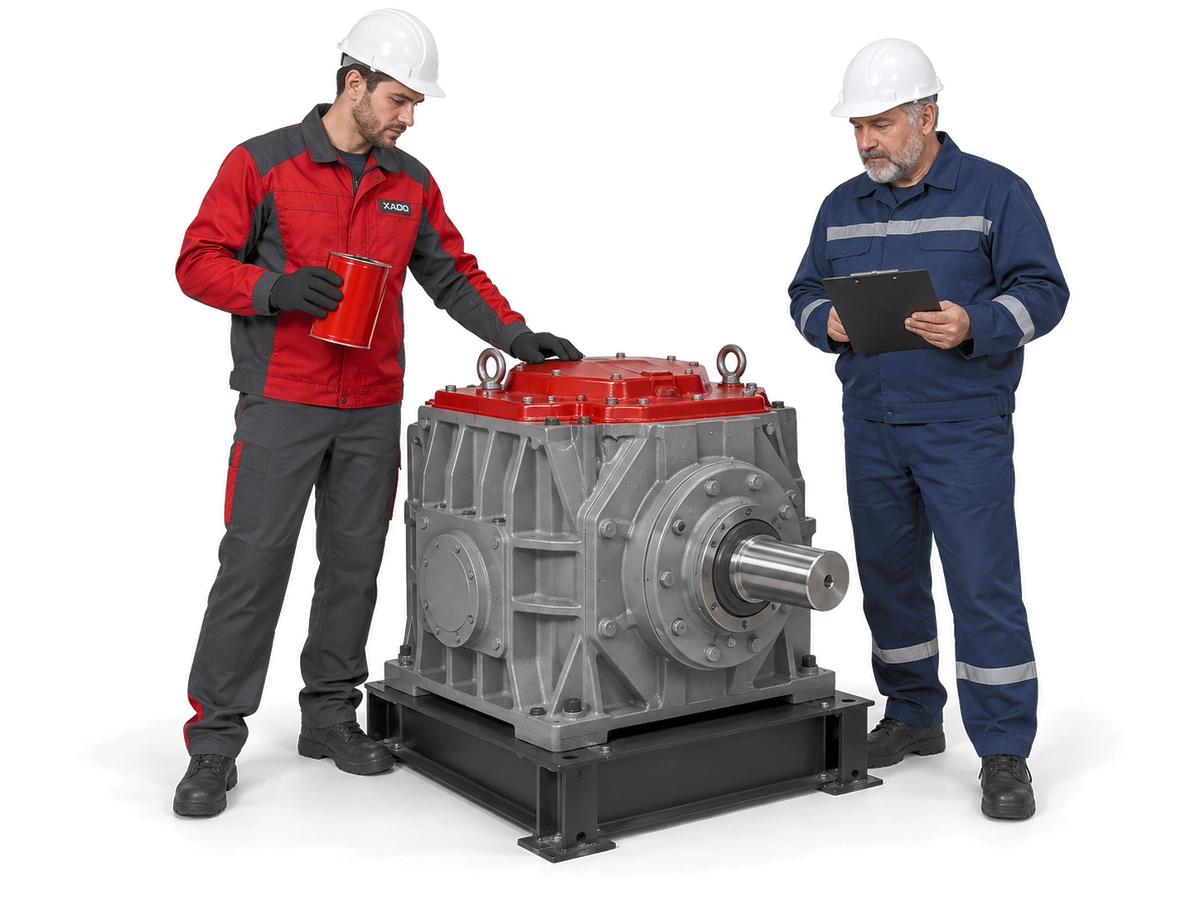
Treatment and support
We provide the materials for the pilot treatment at no charge. A specialist supports the trials remotely and on site.
- 4
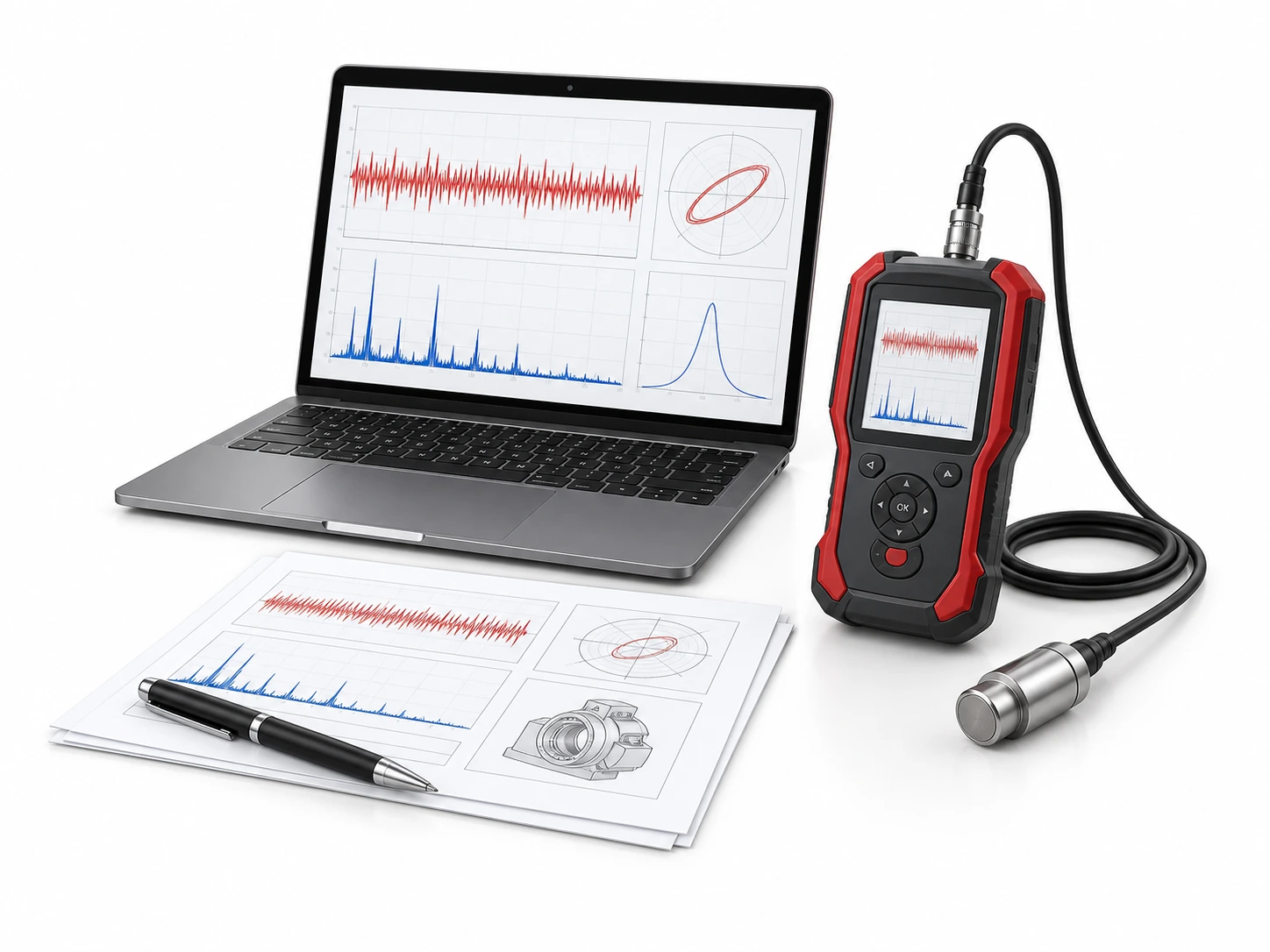
Result assessment
We compare the measurements before and after treatment, document the results and assess the economic effect.
What your plant receives
An efficiency assessment
A comparison of your equipment's parameters before and after the pilot treatment under comparable operating modes.
A savings calculation
An estimate based on the measurements, the equipment running time and your own tariffs.
A test report
Documented results for the decision on further use of the technology.
Everything needed for the pilot treatment
For enterprises
Chief engineers, mechanical, power and process engineers
Pilot treatment on the enterprise's equipment
XADO provides
The materials for the pilot treatment at no charge, the unit's procedure from instruction IE-24.6-25612000-005-2008 and specialist support.
The plant is required to provide
The selected unit, access to the equipment and the participation of a technical specialist in the measurements.
For service companies and partners
Equipment repair and commissioning, vibration diagnostics, technical consultants
Technology deployment programme
XADO provides
Materials for the first pilot treatment at your customer's site free of charge, 24 procedures by unit type, dose approval by a XADO engineer, and the test record base for work with the customer: 348 acts, 239 cases from 18 countries.
Required from the partner
A customer with operating equipment, measurements before and after treatment, and completion of an act on the standard form.

Start with a consultation
We will discuss the equipment, the units and the list of measurements — at your facility or at your company's customer site.
Electricity savings calculator
Preliminary savings calculation based on the trials of geared drives at industrial plants. The median of the selected results is 8.85%, the calculated range is 5.22–20%.
Calculation for one year
By the median of the selected test reports: 8.85%. Enter the data and press “Calculate the savings”.
USD
Calculated saving per yearkWh
Calculated reduction in consumptionhours of operation per year for each component
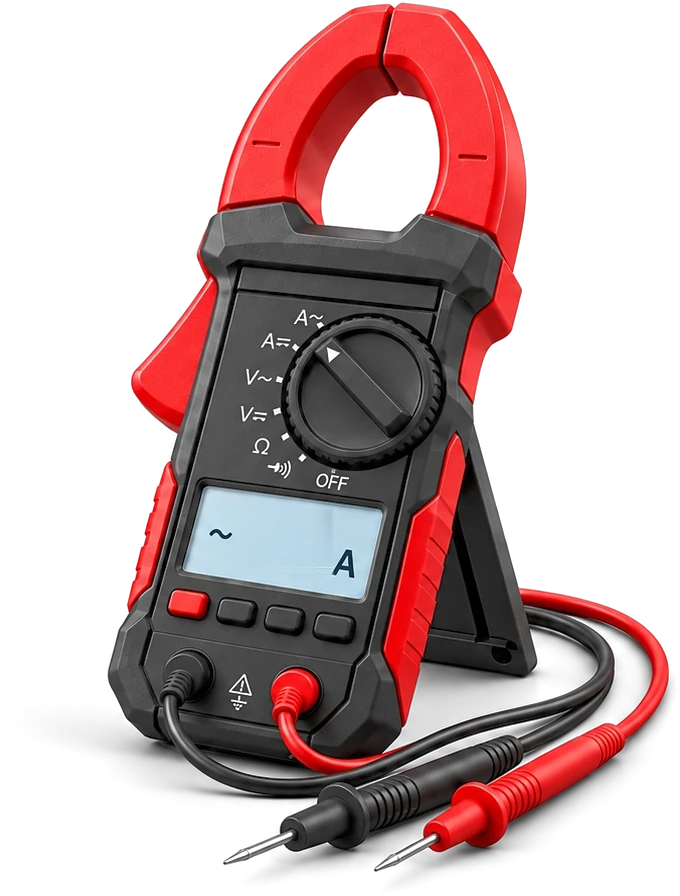
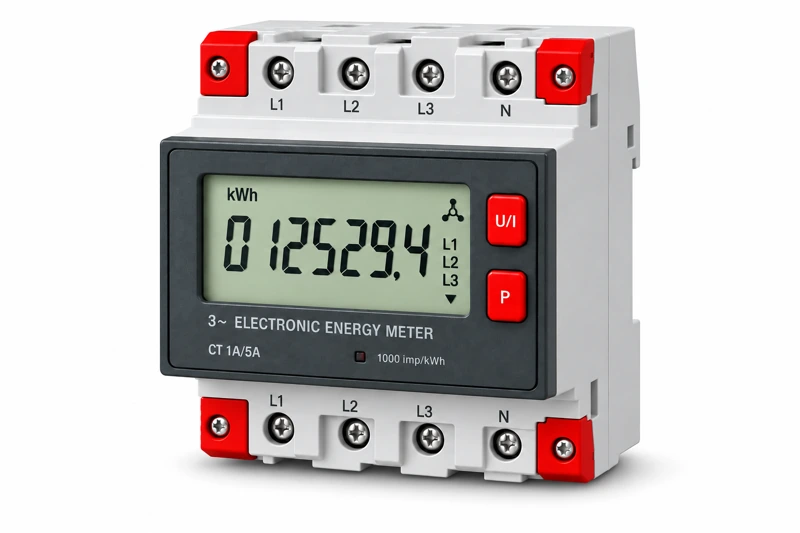
The power is derived from the electrical parameters entered: for a three-phase supply √3 × U × I × PF / 1000; single-phase U × I × PF / 1000; DC U × I / 1000.
The economic effect depends on the type of equipment, the degree of wear and the measurement method. A pilot treatment with measurements at your plant refines the result for a specific component.
Sample test reports and calculation methodSources and conditions
| Sample test reports | Input data | Used in the calculation |
|---|---|---|
| Dnepropetrovsk Tube Rolling Plant “Ural-2M”, two-strand tube drawing | 440 A × 450 V → 385 A × 470 V 198 → 180.95 kW by the formula in the report | 8.61% |
| GPO Azot R-102S, load 70% | 230 → 218 A | 5.22% |
| Nikolaev Alumina Refinery ZB-360Pm, constant resisting torque | 550 → 500 A; voltage and speed held constant | 9.09% |
| Gomelsteklo Conveyor drive, constant resisting torque | 50–55 → 40 A; voltage and speed held constant | 20% — the lower estimate in the report |
Basis of the calculation: results of trials on geared drives under working conditions. Differences between the equipment and the trial conditions are reflected in the calculated range. The test reports listed above are the sources of the coefficients used.
Method: reduction = (before − after) / before × 100%. For current measurements, the conversion into energy savings conditionally assumes unchanged voltage and power factor. For “Ural-2M” the power formula from the report is used; for “Gomelsteklo”, the lower estimate of 20%. The median is 8.85%, the range of the selected coefficients 5.22–20%.
Annual saving: power of one component × hours of operation per year × number of identical components × percentage reduction. Saving in USD = kWh saved × tariff. Treatment costs are not included in the calculation.
The calculation serves as a preliminary guide. The type of equipment, the degree of wear, the load and the measurement method all affect the result. A pilot treatment establishes the economic effect under the conditions of your plant.
Methods
and documents
Treatment methods, measurement conditions and report forms for verifying the result on your own equipment.
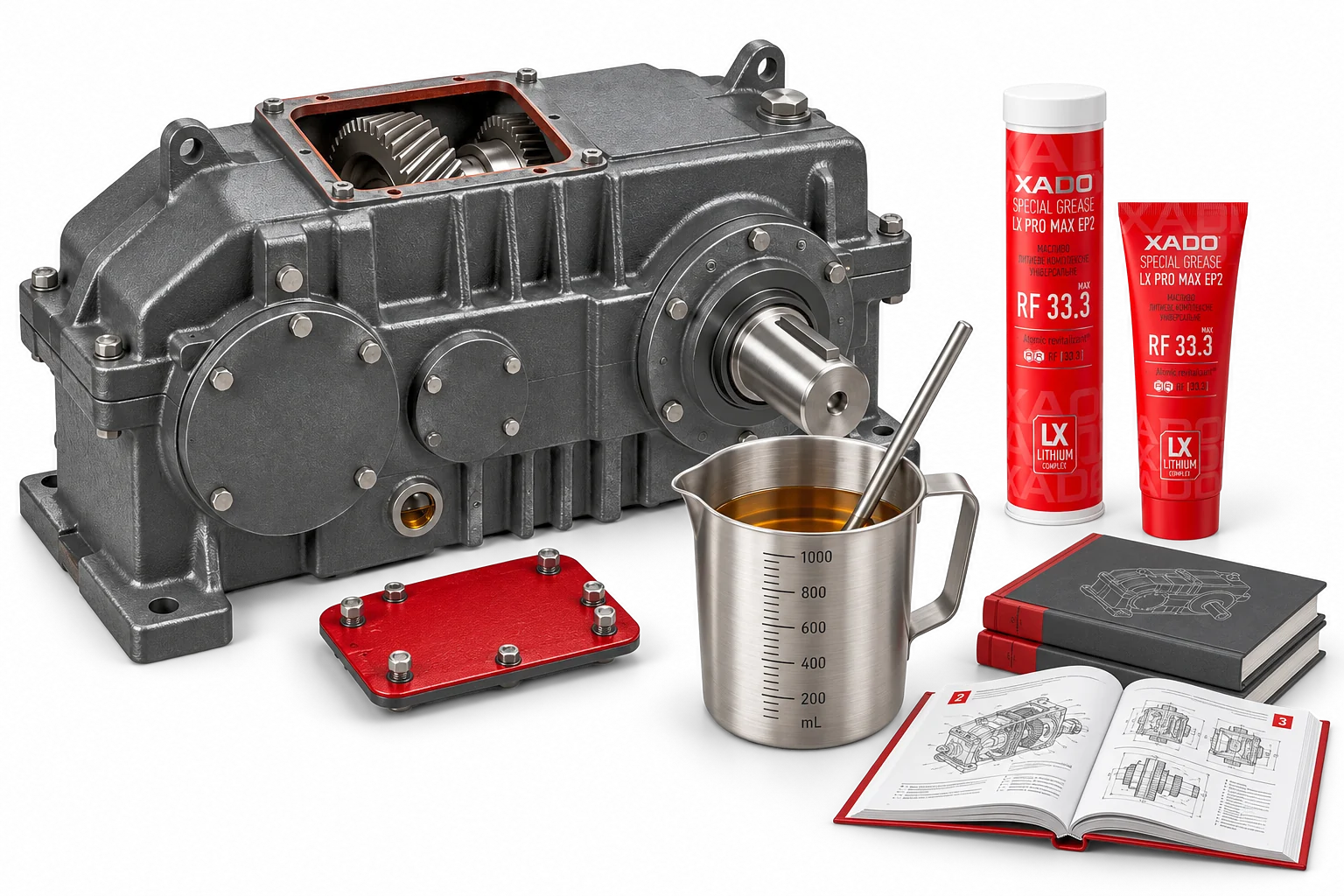
Treatment methods24 methods by component type and 26 by specific machine: compound, dosage rate, application sequence, monitoringTest procedure and formswhat to measure and with which instrument, the report form and a completed sampleConsolidated register239 cases, 348 test reports, 18 countries — by symptom and by componentAbout the catalogue documentswhat a test report is, where the figure on a card comes from, what the database does not claim